
كيف يعمل جهاز منع الاختناق؟ دليل عملي للعيادات والمدارس والموزعين


مؤلف
جرب الفرق الذي تقدمه شركة شيامن تيانزو الطبية - حيث يمثل كل منتج دليلاً على تفانينا في مجال الصحة والسلامة.
ماري ر. وينترز


ملخص: يُعدّ الاختناق سببًا رئيسيًا للوفاة نتيجة الإصابات العرضية، ومع ذلك، فإنّ مناورة هيمليك القياسية ليست آمنة أو فعّالة للجميع، بمن فيهم الرضع وكبار السن والنساء الحوامل ومستخدمو الكراسي المتحركة. يوفر جهاز منع الاختناق (المعروف أيضًا باسم جهاز إنقاذ الاختناق أو جهاز الشفط) حلاً احتياطيًا غير جراحي يستخدم الضغط السلبي لإزالة الانسداد. يشرح هذا الدليل كيفية عمله خطوة بخطوة، وكيف يُقارن بضغط البطن، ومن ينبغي عليه توفيره، وما الذي يجب على الموزعين التحقق منه قبل الشراء.
لماذا تحظى أجهزة إنقاذ ضحايا الاختناق باهتمام متزايد؟
في الولايات المتحدة، يُعدّ الاختناق رابعَ سببٍ رئيسي للوفاة نتيجة الإصابات غير المقصودة، وهو السبب الأول للوفاة نتيجة الإصابات التي يُمكن الوقاية منها لدى الرضع دون سن السنة. أنقذت مناورة هيمليك أرواحًا لا تُحصى منذ عام ١٩٧٤، لكنها تعتمد على قوة المُسعف وإتقانه للتقنية الصحيحة، وقد تُسبب كسورًا في الأضلاع أو إصابات داخلية لدى المرضى الضعفاء. لهذا السبب، تُضيف المدارس ودور الرعاية والمطاعم الآن أجهزة إنقاذ تعمل بالشفط إلى حقائب الإسعافات الأولية، كما بدأت عدة ولايات أمريكية في إلزام المدارس باستخدامها.
كيف يعمل جهاز منع الاختناق
المبدأ بسيط: بدلاً من دفع الهواء للداخل (كما في تمارين البطن)، يقوم الجهاز بسحب الجسم العالق عن طريق الشفط. تتكون الوحدة النموذجية - جهاز شفط الاختناق TW8648 الخاص بنا يتبع هذا التصميم - من أربعة أجزاء:
- قناع وجه: يوضع فوق الأنف والفم لتشكيل ختم محكم.
- صمام أحادي الاتجاه: يمنع دفع الهواء إلى داخل مجرى الهواء.
- مضخة المكبس / الشفط: اضغط لتفريغ الهواء، ثم اسحب للخلف لتوليد ضغط سلبي.
- أنبوب شفاف: يُمكّن هذا الإجراء المنقذ من رؤية الجسم المنفصل.
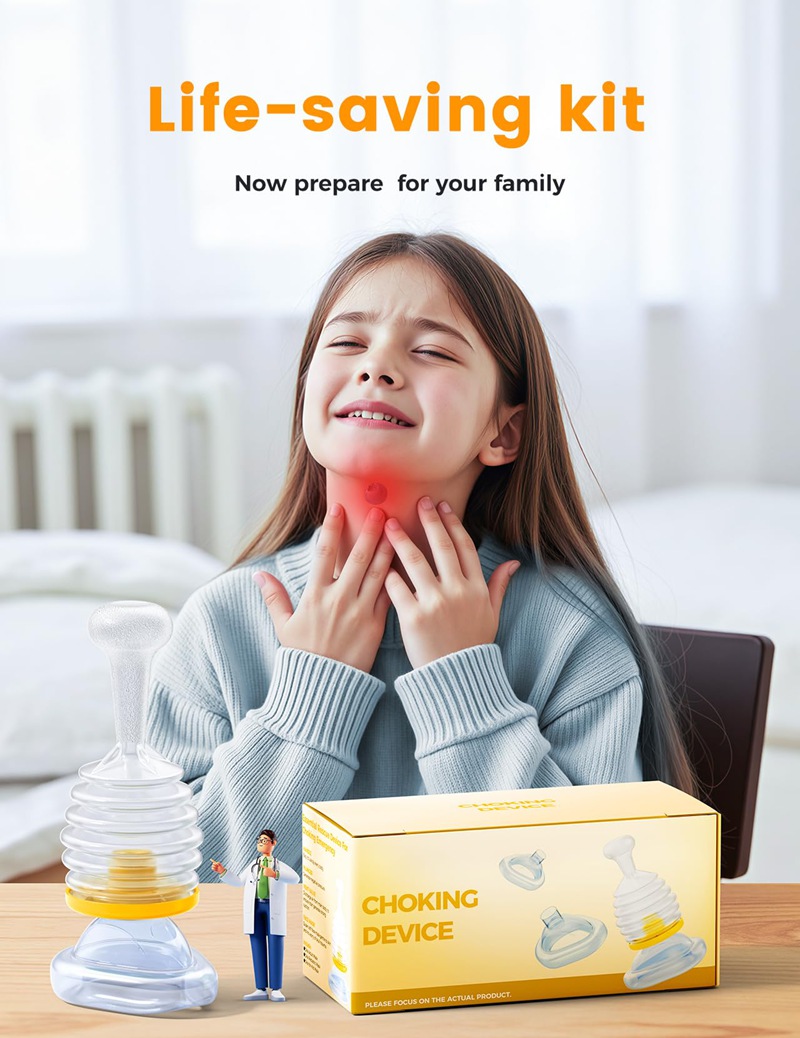
عند الاستخدام، ضع القناع، واضغط على المكبس لأسفل لإخراج الهواء، ثم اسحبه لأعلى لإحداث الشفط. إذا لم تُزل المحاولة الأولى الانسداد، كرر حركة الدفع والسحب دون إزالة القناع. يستطيع معظم المستخدمين العاديين تجميع الجهاز وتشغيله في غضون ثلاث دقائق تقريبًا، أي قبل أن يُسبب نقص الأكسجين ضررًا.
جهاز منع الاختناق مقابل مناورة هيمليك
ليست هذه الأدوات منافسة، بل هي طبقات من الحماية. لا تزال الإرشادات تنص على إعطاء الأولوية للضربات الخلفية والضغط على البطن. يُعدّ هذا الجهاز الخيار الثاني عند فشل هذه الطرق، أو عندما يتعذر على المُسعف تطبيقها بأمان - كما في حالة المرأة الحامل، أو كبار السنّ المصابين بهشاشة العظام، أو الرضيع الذي تكون أضلاعه رقيقة جدًا بحيث لا تتحمل الضغط. ولأن الشفط ألطف من الضغط، فإنه أسهل على أي شخص غير مُدرّب استخدامه دون التسبب في إصابة.
هناك تحذير هام يجب على الموزعين توضيحه: يجب أن تُكمّل هذه الأجهزة التدريب القياسي على الإسعافات الأولية، لا أن تحل محله. وينبغي على المشترين توفيرها إلى جانب دورات الإنعاش القلبي الرئوي والتوعية بحالات الاختناق، لا بدلاً منها.
من ينبغي عليه تخزين واحد؟
- المدارس ومراكز رعاية الأطفال: حيث يختنق الأطفال الصغار في أغلب الأحيان.
- دور الرعاية ودور التمريض: للمقيمين الذين لا يستطيعون تحمل الضغط على البطن.
- المطاعم والصالات الرياضية: الأماكن العامة عالية الخطورة التي تضم حشوداً من مختلف الأعمار.
- مجموعات الأدوات المنزلية والسفر: وخاصة للعائلات التي لديها أطفال رضع أو أقارب مسنين.
- العيادات وسيارات الإسعاف: كإجراء احتياطي موثق في خوارزمية مجرى الهواء.
ما الذي يجب البحث عنه عند شراء جهاز مضاد للاختناق
إذا كنت موزعًا أو مسؤول مشتريات تقوم بتقييم الموردين، فراجع هذه النقاط:
- صمام أحادي الاتجاه شفاف وختم قناع محكم الإغلاق — جوهر التشغيل الآمن.
- حجرة شفافة حتى يتمكن رجال الإنقاذ من رؤية الجسم المستخرج.
- خيارات الكمامات للبالغين والأطفال في مجموعة واحدة كلما أمكن ذلك.
- تعليمات بسيطة تعتمد على الصور التوضيحية للمستخدمين غير المدربين.
- الشهادات ومراقبة الجودة — العمل مع شركة مصنعة تطبق عمليات ISO 13485 وقادرة على توفير وثائق الاختبار.
المنتجات ذات الصلة
لماذا الشراكة مع شركة تيانزو الطبية؟
بصفتها شركة تصنيع متكاملة رأسياً لمنتجات الطوارئ والتخدير والتنفس، تُطبّق شركة شيامن تيانزو الطبية نظام الجودة نفسه على أجهزة مجرى الهواء كما هو الحال مع أجهزة الإنعاش الرائدة لدينا: إنتاج معتمد وفقًا لمعايير ISO 13485:2016 وCE وFDA، بالإضافة إلى خدمات التشكيل الداخلي ودعم تصنيع المعدات الأصلية/تصميم المعدات الأصلية. أما بالنسبة لتجار الجملة وأصحاب العلامات التجارية، فنحن نقدم خدمات العلامات التجارية الخاصة، وحدود دنيا مرنة للطلبات، والوثائق اللازمة للمناقصات والامتثال لمعايير البيع بالتجزئة.
إذا كنت تضيف أجهزة إنقاذ من الاختناق إلى كتالوجك، تواصل مع فريقنا للحصول على معلومات حول الأسعار والعينات وخيارات التخصيص، أو راسل ستيفن عبر البريد الإلكتروني Stephen@tzmed.com.
الأسئلة الشائعة
كيف يقوم جهاز منع الاختناق بإزالة الانسداد؟
هل يمكن أن يحل محل مناورة هيمليك؟
هل جهاز منع الاختناق آمن للرضع؟
هل تتطلب هذه الأجهزة تدريباً لاستخدامها؟
هل بإمكان شركة تيانزو الطبية توريد أجهزة مضادة للاختناق تحت علامتنا التجارية؟
- كيفية استخدام جهاز قياس التنفس ثلاثي الكرات: دليل عملي للتعافي التنفسي بعد الجراحة
- كيفية اختيار جهاز تثبيت الرأس: دليل للمشترين في قطاع الأعمال (B2B) لخدمات الطوارئ الطبية ومشتريات المستشفيات
- قنية الأنف عالية التدفق (HFNC): كيف تعمل ومتى يُفضل استخدامها على قناع الأكسجين القياسي
- قنية الأكسجين الأنفية: الأداة الهادئة والفعالة في العلاج بالأكسجين (وكيفية تحديد مواصفاتها بشكل صحيح)
- الجبيرة الهوائية مقابل الجبيرة الجبسية: أي جهاز تثبيت يجب أن تختار؟
- قناع فنتوري مقابل قناع غير قابل لإعادة التنفس: أي جهاز لتوصيل الأكسجين يجب أن تختار؟
- قناع مجرى الهواء الحنجري (LMA) مقابل أنبوب القصبة الهوائية: كيفية اختيار مجرى الهواء المناسب
- كيفية اختيار قناع جهاز ضغط مجرى الهواء الإيجابي المستمر: قناع الوجه الكامل مقابل قناع الأنف مقابل قناع وسادة الأنف (دليل المشتري لعام 2026)